
Owning a Sealegs is about confidence, capability, and long-term reliability — and proper servicing is essential to preserving all three. LegASea works closely with Sealegs International and certified service partners to ensure your craft receives specialist care from technicians trained specifically in amphibious systems.
We support owners with parts supply, technical guidance, service bookings, and expert troubleshooting — whether you need routine maintenance, replacement components, or operational advice. Scheduled servicing includes first service inspections, annual maintenance, and long-term system renewals designed to protect safety, performance, and warranty compliance.
Our priority is keeping your Sealegs performing at its best, so you spend less time maintaining and more time enjoying the Sealegs amphibious lifestyle.
Service Schedule
Routine servicing is essential to protect the performance, safety, and long-term value of your Sealegs amphibious craft, including its inboard system, outboard engine, and critical components. Service intervals are determined by usage, operating environment, and application, ensuring maintenance aligns with how your vessel is used.
The Sealegs maintenance program consists of a First Service, Annual Service, and Internal Hose Replacement, each designed to preserve reliability and uphold factory standards. Following each service, a record placard is installed inside the console hatch to track service history and upcoming maintenance requirements.
To maintain warranty coverage and ensure your Sealegs continues to perform at its best, all vessels must be serviced in accordance with the official Sealegs service schedule outlined here.
| Service Type | Year | Inboard Hours | Outboard Hours |
|---|---|---|---|
| First Service | 1 | 20 | 20 |
| Notes | |||
|
|||
| Service Type | Year | Inboard Hours | Outboard Hours |
|---|---|---|---|
| Annual Service | 2–12 | 50 | 20 |
| Notes | |||
|
|||
| Service Type | Year | Inboard Hours | Outboard Hours |
|---|---|---|---|
| Internal Hose Replacement | 4, 8, 12 | N/A | N/A |
| Notes | |||
|
|||
What’s Included in Your Annual Service
Each year, we recommend scheduling your Sealegs craft with a certified Sealegs agent for a comprehensive annual service, regardless of usage hours.
Regular preventive maintenance ensures your craft operates at peak performance, maximising safety, reliability, and enjoyment every time you head out on the water or land.
An annual service is a complete check of your Sealegs systems, covering inspections, adjustments, lubrication, consumables, and final testing to ensure every component meets factory standards.
Key service areas include
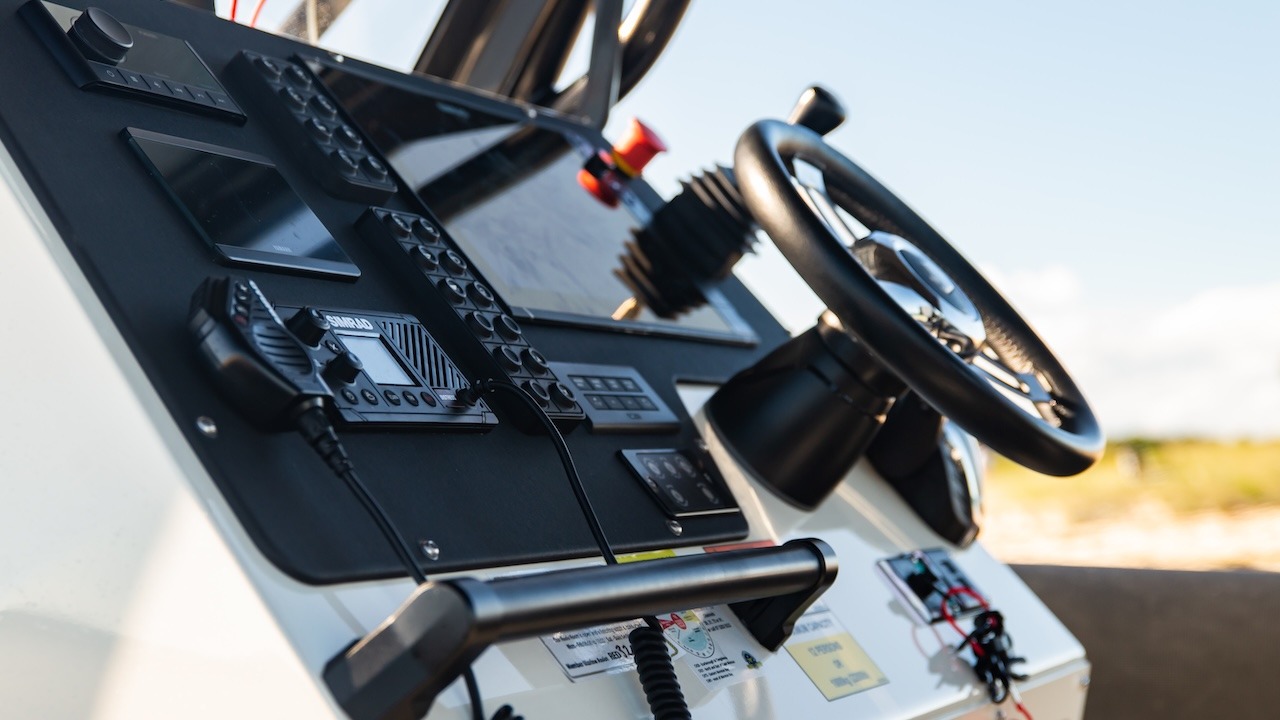
Inboard hour records, safety stickers and labelling, run lights, dash fittings, DC sockets, bilge pump operation, chart plotter, spotlights, winch, anchor light, navigation lights, horn, fitment and accessories, console mounting, DC box and brackets, battery box and bracket, headlights, VHF radio, AM/FM stereo, fire extinguisher
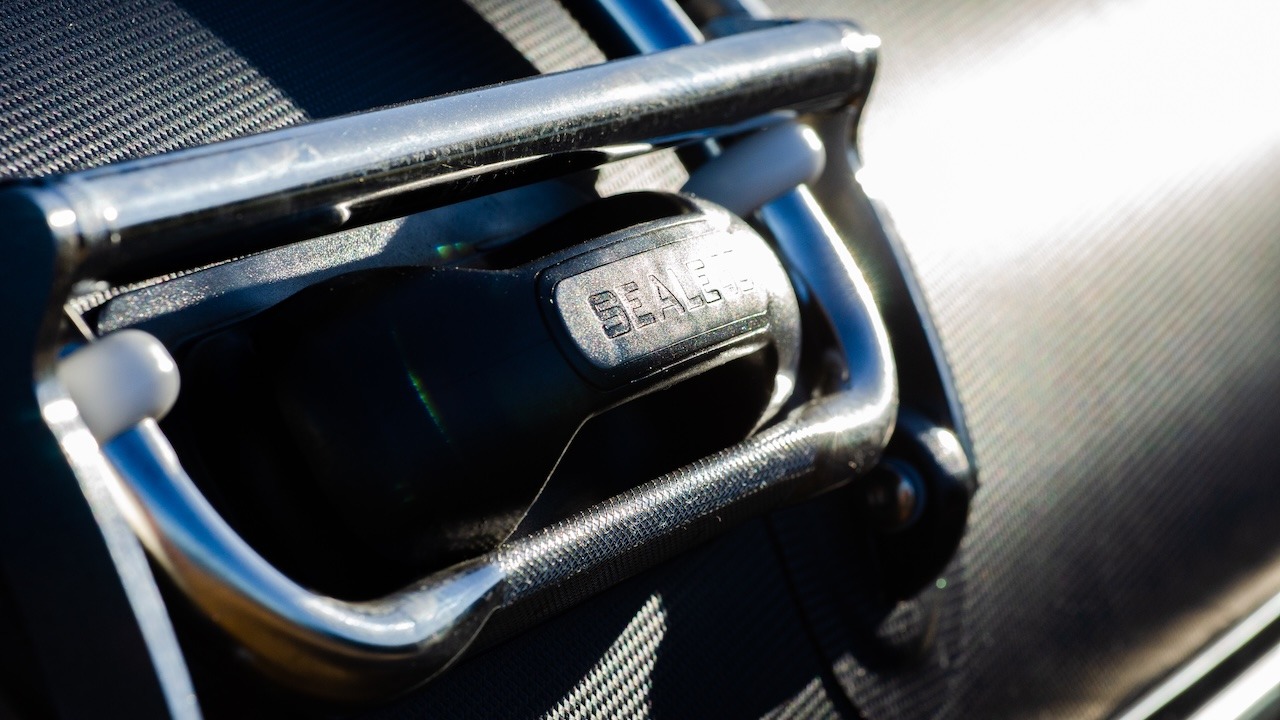
Tyres, headlights, external paint, hull and chine, bimini, clears and attachment, tube attachment and fittings, tube pressure test
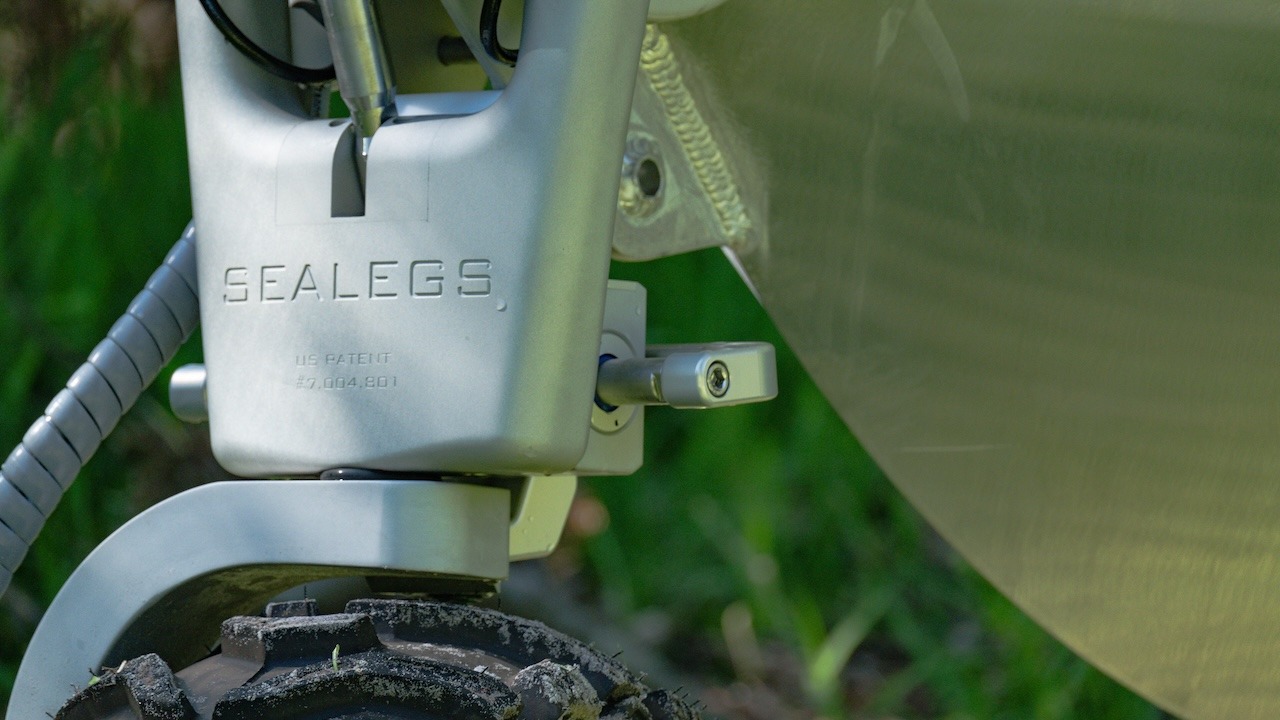
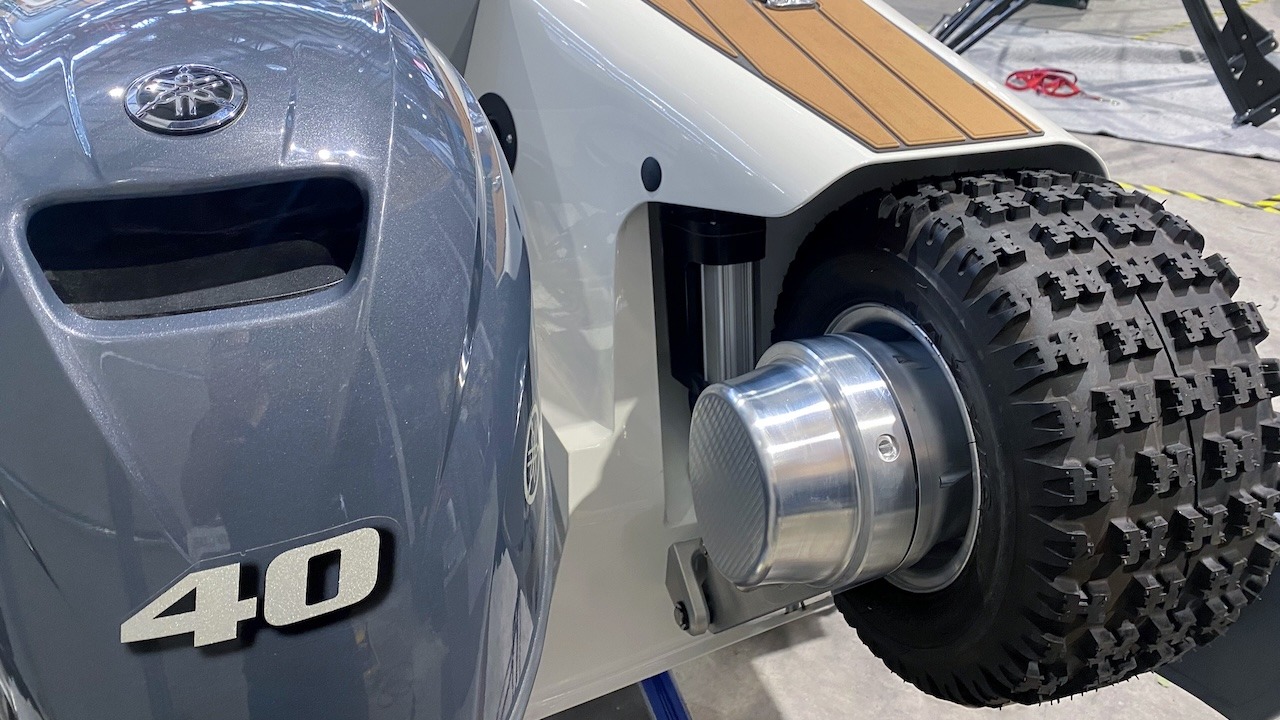
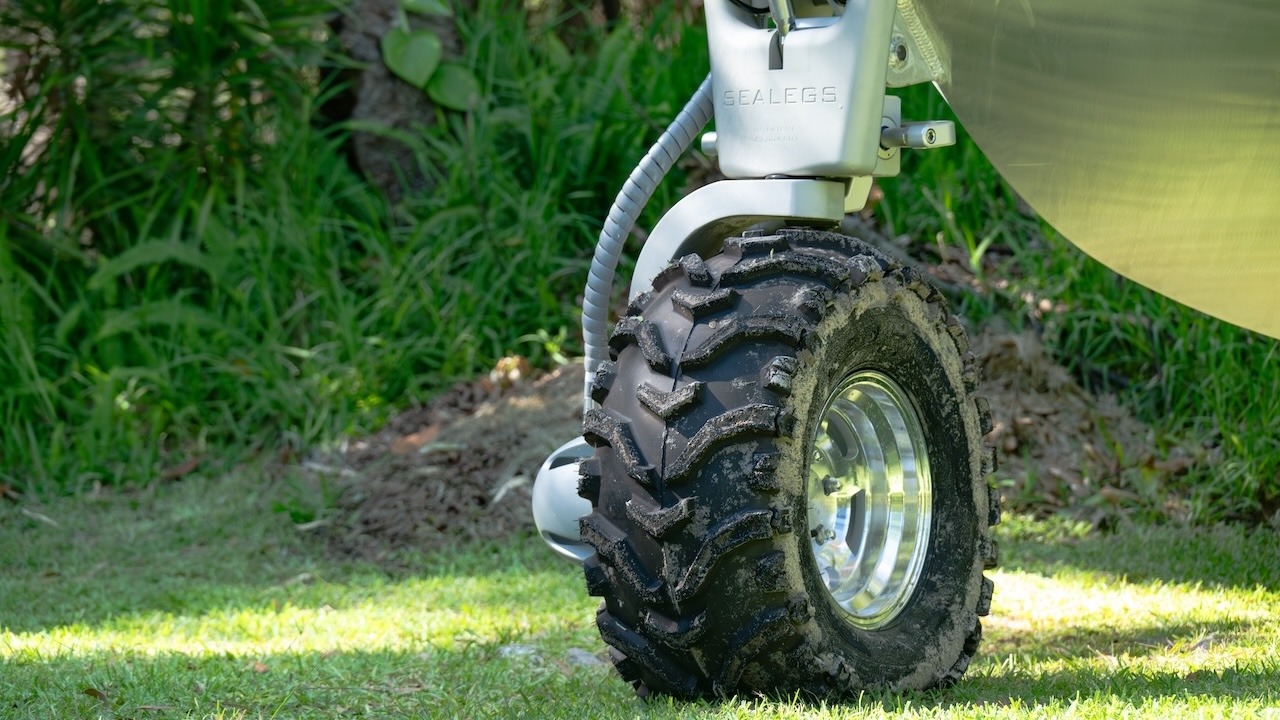
Front wheel assembly, Front tyre and rims, Front wheel hub, Front fork, and pivot o-rings, Steering pivot, link arm and rod end, Steering ram and mount, Front wheel drive hubs and studs, Front drive motor and mounting, External hoses, Hose routing and guides, Front lift ram, Front bulkhead fittings, Bow bracket fittings, Yoke insert block and ram pivot, Yoke pivot pin and retainers, Trunnion bolt and pivot bushing.
Rear wheel assemblies, Rear tyre and rims, Rear wheel hubs, studs and bearings, Rear drive motors and mounts, Rear external hoses, Rear lift rams, Rear legs and stop pad checks, Transducer mounting, Transom bung, ski hoops and attachments, Rear upper ram pivot check, Rear lower ram, Rear leg pivot, Brackets.
Replace oil, replace spark plugs, Air filter check and clean, Valve clearances, Cooling fans, Choke solenoid, Inboard wiring connections, Alternator mounting and belt, Engine mounts, Exhaust joints and manifold, Flexible exhaust coupler, Engine box mounts.
Outboards referred to local Certified Outboard agent
Electric fuel pump, filter replacement, fuel line checks, fuel tank sender.
Fluid level and quality, Bypass valve, Steering alignment, Power steering, Outboard steering ram, EPS checks.
Oil level, Oil quality, pressure checks, Hoses, solenoids, valves, blocks, manifolds, filter changes.
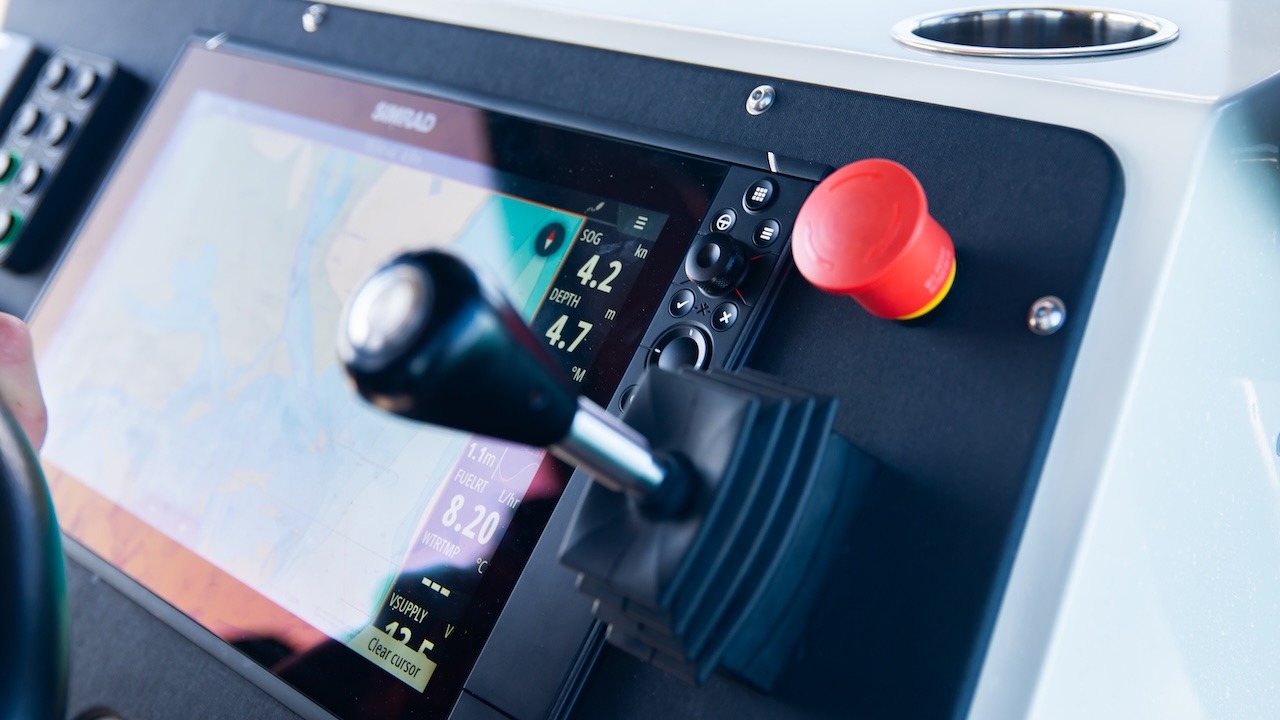
Comprehensive operational tests, including leg extensions, throttle and joystick function, AWD/2WD, diff lock, steering, land speed, and emergency brakes tests.
This thorough inspection and servicing protocol ensures your Sealegs craft is safe, reliable, and ready for the adventures ahead.
A wealth of knowledge is also available in the Sealegs Owner’s Manuals, which can be accessed via the links here. These resources are an excellent first reference for operating, maintaining, and enjoying your Sealegs craft.
Should you have any questions or require further guidance, our dedicated service team is always ready to assist.
Sealegs FAQs
To get out of difficult terrain, traction aids can be used, and the tyre pressure reduced to gain the required traction.
Up or down is acceptable. Should the boats be stored with the wheels down, it is advisable to lightly coat the exposed lift cylinder rods with a lightweight protective oil e.g. machine oil, Inox, fish oil, or similar (as is recommended with many parts of the boat that may suffer from not having regular usage). If the boat is stored with the legs down, it is also recommended to trim the outboard up to help minimise damage to the outboard skeg should the craft suffer a hydraulic issue and lower onto the hull.
Yes, however extra care should be taken. It is recommended that the craft be placed in a cradle and strapped down against this cradle and the transporter to prevent any movement. The hydraulic system of the legs and the hydraulic braking of the wheels should not be relied upon for transporting; a cradle will assist with this.
Yes, oils and fluids and other functions of the boat are not designed to store or operate in freezing conditions, and extra care must be taken with batteries and other parts. This craft therefore should not be stored or used in environments that are at or below 0C / 32F.
Essentially Sealegs craft are designed as ‘day boats’, with the addition of the wheels to assist in the launching and retrieving for easy storing on land when not in use. Therefore, the craft has not been designed with anti-fouling and extra electrolysis protection required of a boat designed to be moored; any boat will quickly deteriorate without this extra protection. RIB tubes may prematurely wearif subjected to continuous abrasion when tied up. Being an open craft, other risks include exposure to rainwater or other environmental events, and with the automatic bilge pump draining the battery to the point of failure. Any boat left moored will degrade considerably quicker if left exposed to the elements, e.g. sun, rain, and salt water. It is therefore a condition of warranty that the craft not be left unattended in the water for any extended period of time.
Hydraulic servicing is not the same as internal combustion engine servicing. It is easy to think of it the same way, but this has the potential to create unnecessary work and cost. Consult the Maintenance section of this manual for a summary of the requirements.
Yes, the battery is charged by the inboard engine. Craft are also fitted with a larger alternator and therefore will recharge the battery faster. Depending on the model outboard fitted, a battery voltage reading is normally obtainable from the outboard gauge set.
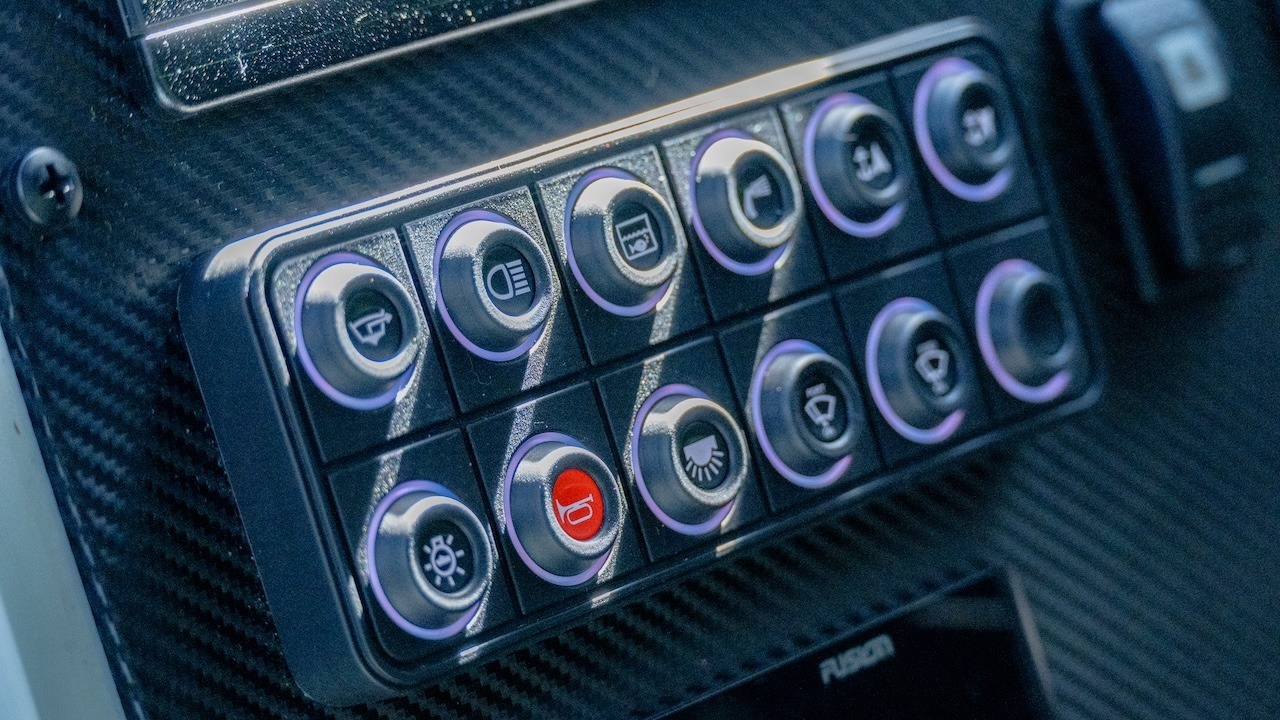
If a keypad button flashes red, it means there is a fault with that circuit. Hold down for 5 seconds or until red light stops flashing to reset the circuit. Try the circuit again and if it starts flashing red again, it means there is a blown fuse or software issue. In this case, please contact your nearest service technician.