

12.0m Cabin RIB
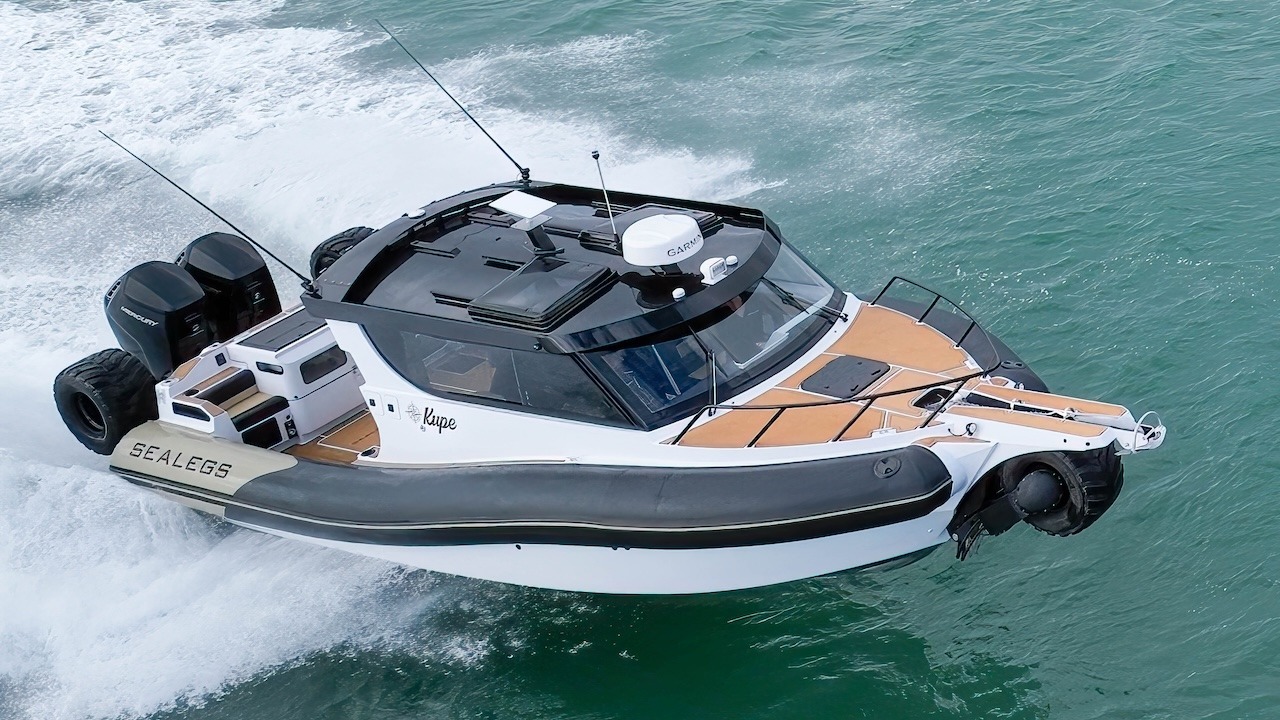
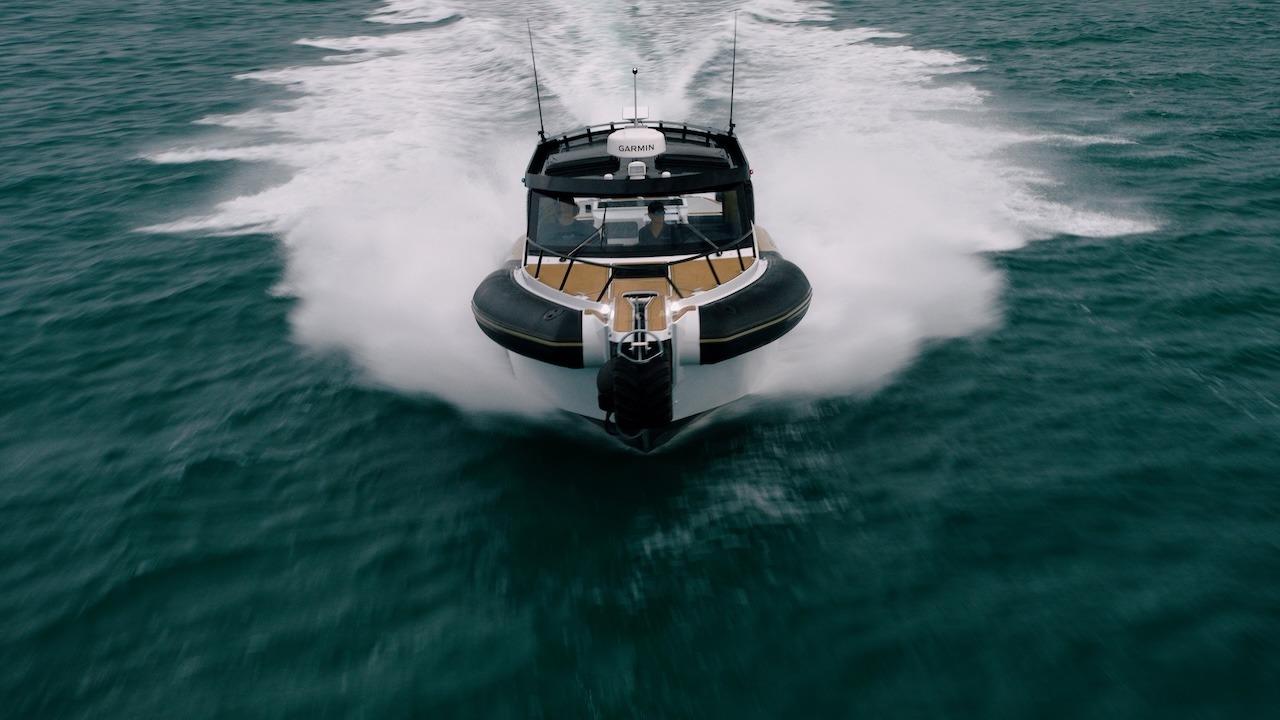
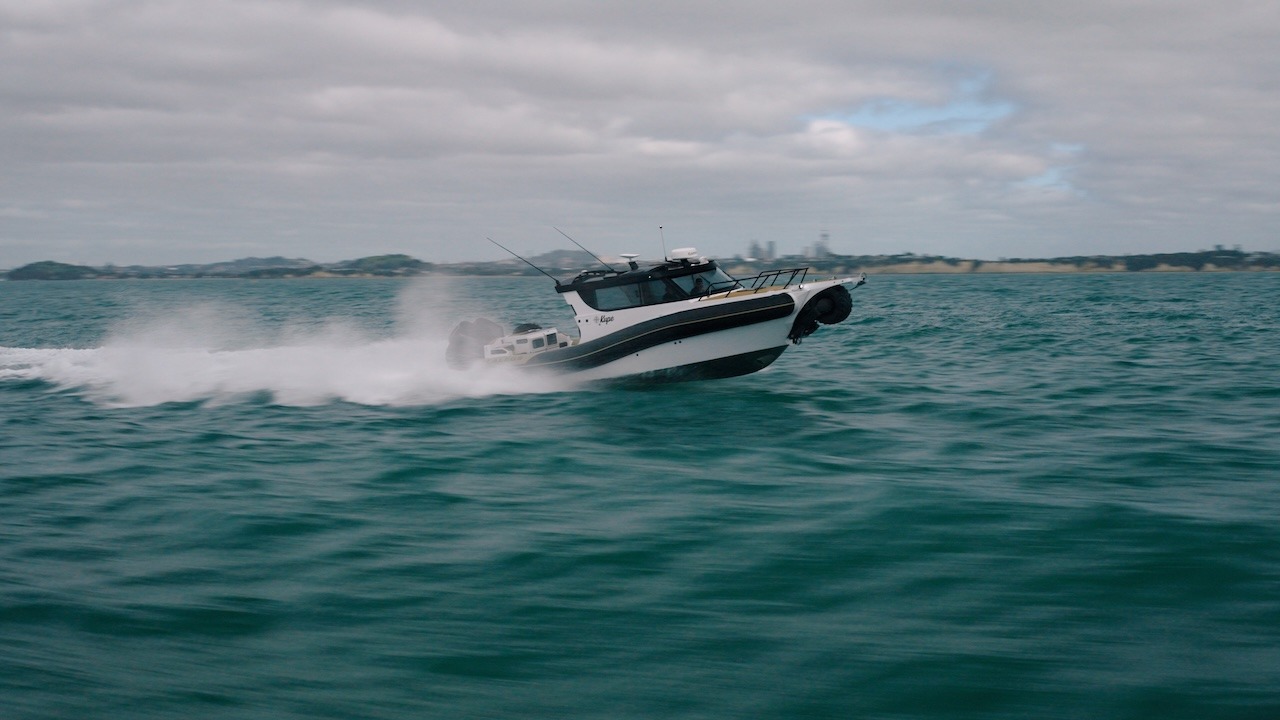
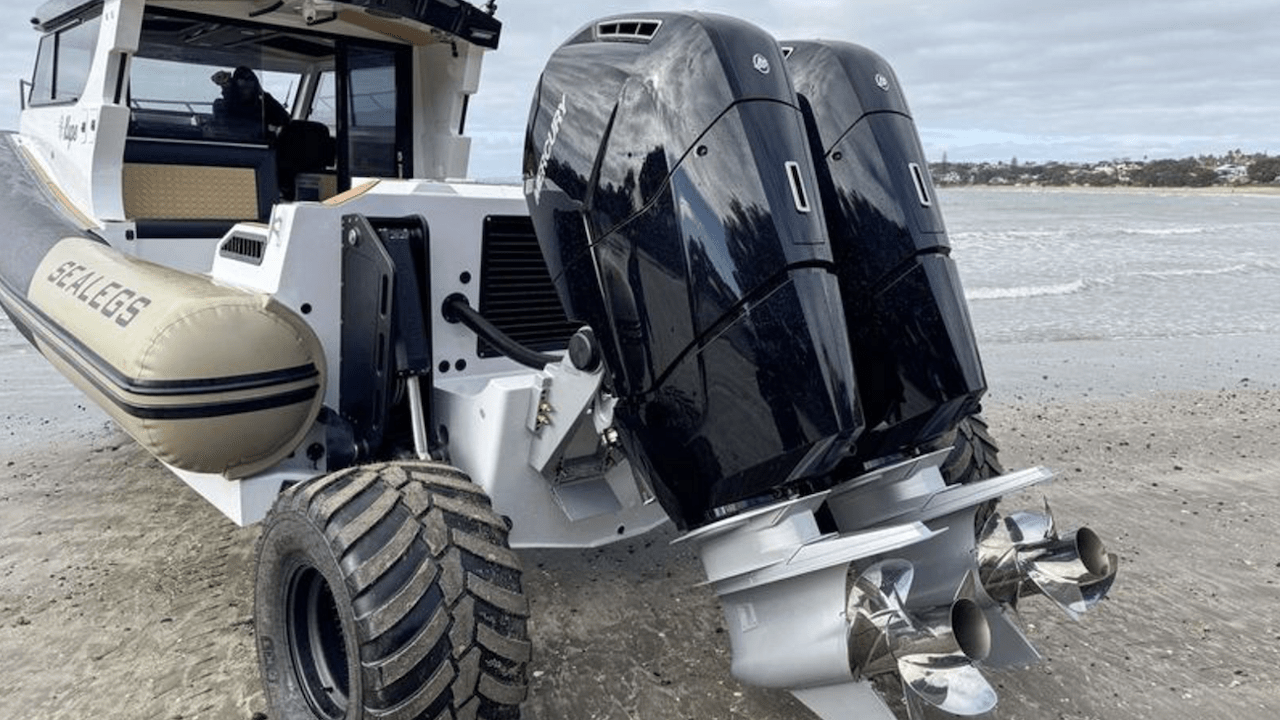
The Sealegs 12.0m Cabin RIB is the flagship of the Sealegs range, delivering unmatched size, safety, and luxury in a premium amphibious platform built for both commercial and recreational use.
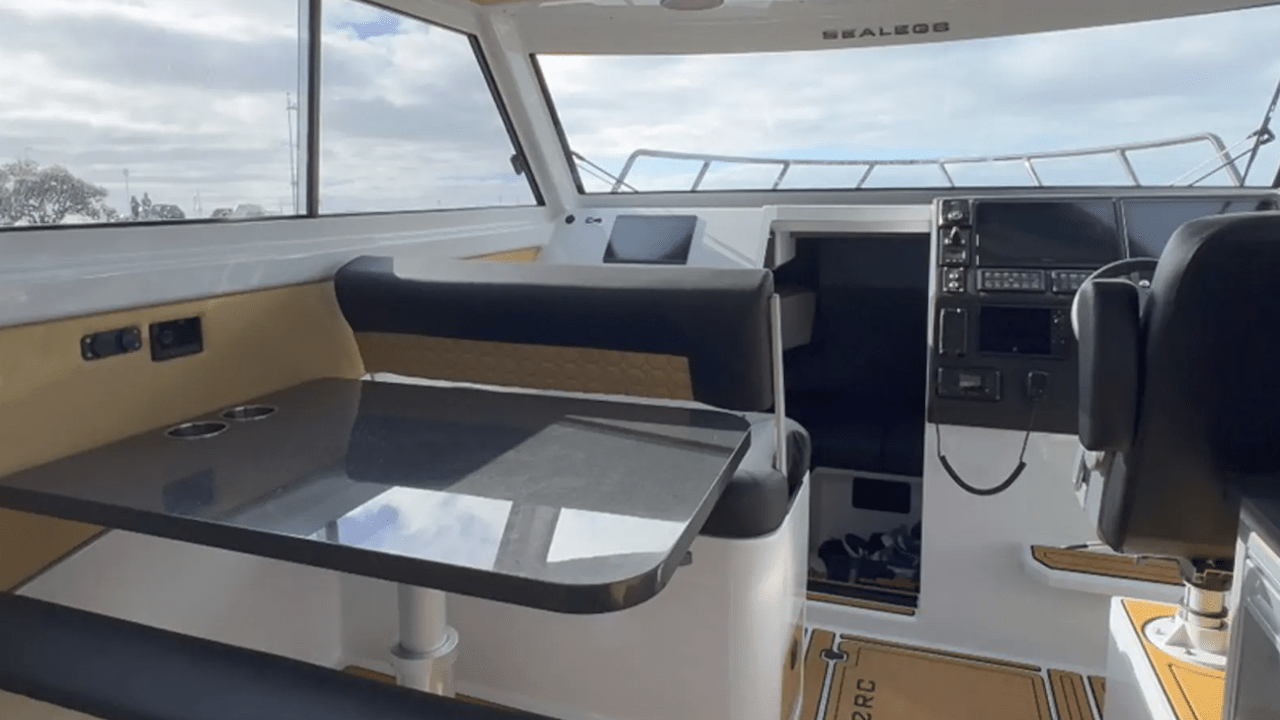
Designed for maximum comfort and freedom, it features a spacious, fully customisable cabin with options for a kitchen, raised dinette, full-height bi-fold doors, generous storage, and up to four berths.
With seating for up to nine passengers in recreational configuration and significantly enhanced payload capacity, it offers exceptional interior space and versatility for extended adventures.
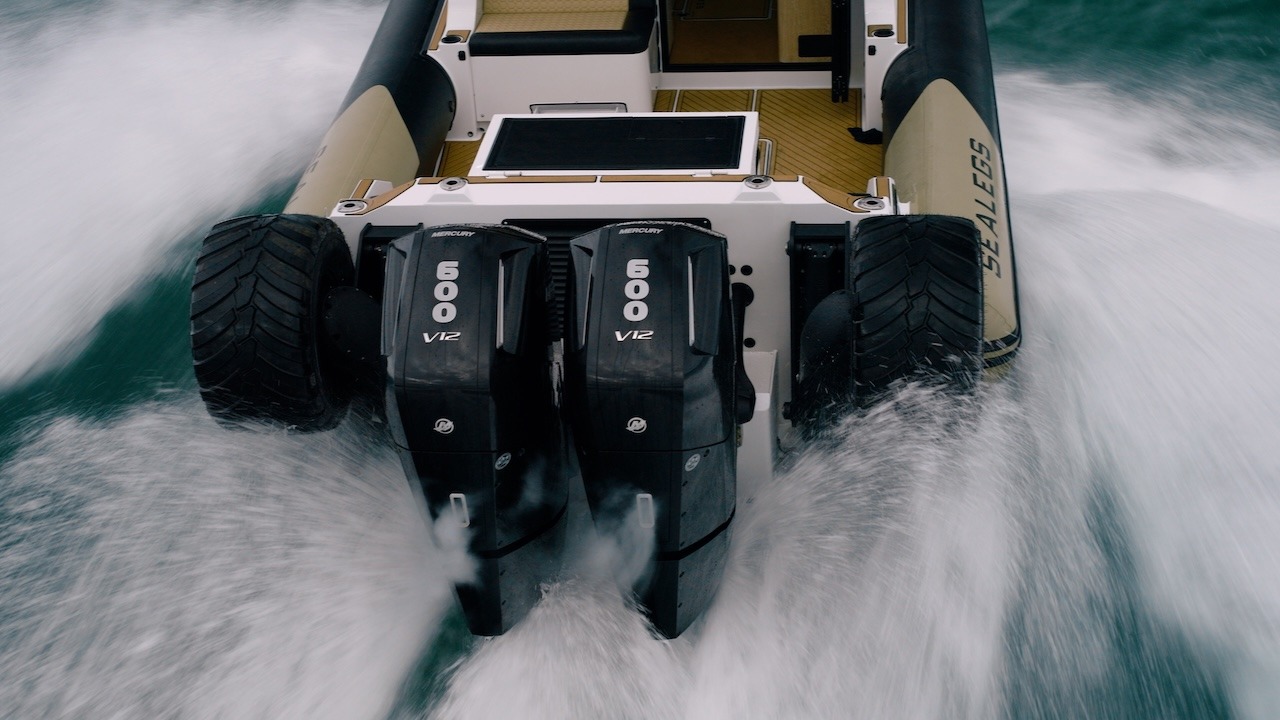
Powered by optional twin 450hp or 600hp V12 outboard engines, it is the most powerful Sealegs ever produced — combining elite performance with ultimate luxury and exploration capability.
| Length Overall (wheels & outboard trimmed up) | 12.3 m |
|---|---|
| Max passengers (including driver) | 12 Persons |
| Width | 3.631 m |
| Fuel Capacity | 500 litres |
| Height (wheels down) | 3.533 m |
| Outboard options | twin 450–600 hp |
| Height (wheels up) | 2.843 m |
| On-land engine | 74 hp |
| Hull Deadrise at transom | 15 degrees |
| Top Speed on land | 9 kph |
| Run time on land | 30 minutes continuous run time per hour with warning alarms |
| Max payload (including passengers) | 1,000 kg |
| Maximum incline on land |
14 degrees (25% grade) up 11 degrees (20% grade) down |
FAQs
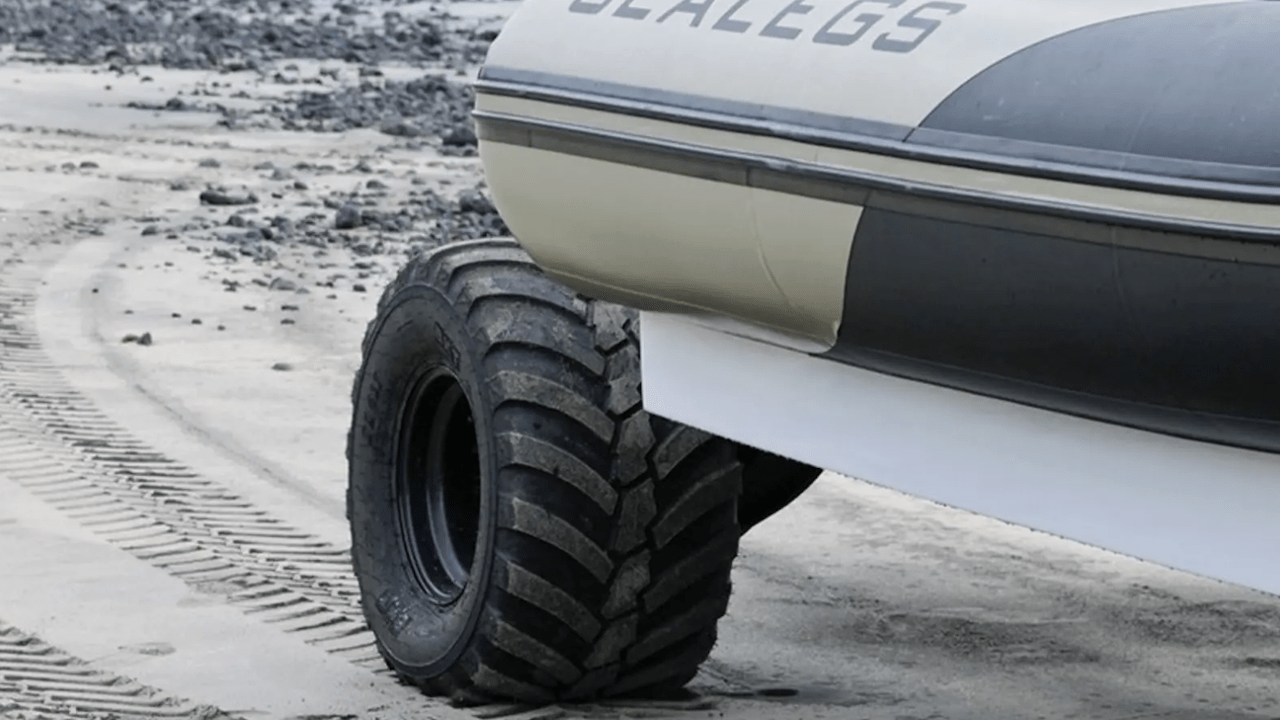
To get out of difficult terrain, traction aids can be used, and the tyre pressure reduced to gain the required traction.
Up or down is acceptable. Should the boats be stored with the wheels down, it is advisable to lightly coat the exposed lift cylinder rods with a lightweight protective oil e.g. machine oil, Inox, fish oil, or similar (as is recommended with many parts of the boat that may suffer from not having regular usage). If the boat is stored with the legs down, it is also recommended to trim the outboard up to help minimise damage to the outboard skeg should the craft suffer a hydraulic issue and lower onto the hull.
Yes, however extra care should be taken. It is recommended that the craft be placed in a cradle and strapped down against this cradle and the transporter to prevent any movement. The hydraulic system of the legs and the hydraulic braking of the wheels should not be relied upon for transporting; a cradle will assist with this.
Yes, oils and fluids and other functions of the boat are not designed to store or operate in freezing conditions, and extra care must be taken with batteries and other parts. This craft therefore should not be stored or used in environments that are at or below 0C / 32F.
Essentially Sealegs craft are designed as ‘day boats’, with the addition of the wheels to assist in the launching and retrieving for easy storing on land when not in use. Therefore, the craft has not been designed with anti-fouling and extra electrolysis protection required of a boat designed to be moored; any boat will quickly deteriorate without this extra protection. RIB tubes may prematurely wearif subjected to continuous abrasion when tied up. Being an open craft, other risks include exposure to rainwater or other environmental events, and with the automatic bilge pump draining the battery to the point of failure. Any boat left moored will degrade considerably quicker if left exposed to the elements, e.g. sun, rain, and salt water. It is therefore a condition of warranty that the craft not be left unattended in the water for any extended period of time.
Hydraulic servicing is not the same as internal combustion engine servicing. It is easy to think of it the same way, but this has the potential to create unnecessary work and cost. Consult the Maintenance section of this manual for a summary of the requirements.
Yes, the battery is charged by the inboard engine. Craft are also fitted with a larger alternator and therefore will recharge the battery faster. Depending on the model outboard fitted, a battery voltage reading is normally obtainable from the outboard gauge set.
If a keypad button flashes red, it means there is a fault with that circuit. Hold down for 5 seconds or until red light stops flashing to reset the circuit. Try the circuit again and if it starts flashing red again, it means there is a blown fuse or software issue. In this case, please contact your nearest service technician.